
MLIS Students will…
Synthesize theory and practice within a dynamic, evolving, and diverse information environment.
Outcome 4a: Apply library and information science theories, principles, and research to professional practice.
Service Evaluation Analysis
This artifact is a Service Evaluation Analysis paper written in Fall 2022 for an Evidence Based Planning, Management, and Decision Making course (LIS-708). This service evaluation specifically demonstrates the application of research and analysis techniques applied to the real-world professional scenario (Outcome 4a) of evaluating resources that facilitate access to information (Outcome 3c).
Drawing from scholarly research about libraries as place, this analysis proposes methods for holistically evaluating unprogrammed physical space in the West Branch of the Dayton Metro Library system. It centers a real-world service and clearly walks through the steps of preparing an actionable analysis plan, including the creation of research questions, a literature review, recommendations for summative evaluations, the application of Orr’s model, and both qualitative and quantitative methods of data collection and analysis. This project applies LIS theories and research practices to a professional setting and is evidence of the ability to synthesize theory and practice in changing library settings.
Outcome 4b: Evaluate current and emerging technologies for information capture, organization, dissemination, access, and/or curation to meet the variety of information needs of diverse communities.
Technically Speaking Blog Posts
Technically Speaking is a blog that was created as a course requirement for LIS-724 (Integrating Technology into Programming, Services, and Instruction) in Summer 2023. Most posts in the blog are focused on the evaluation of technologies to meet the needs of users in academic settings (Outcome 4b). The posts are written to demonstrate teaching and learning principles in relation to professional practice (Outcome 4c) while also demonstrating effective professional communication (Outcome 5b).
The blog posts provided as artifacts discuss how to evaluate a technology to be used in instructional information settings where knowledge and data are being captured, organized, disseminated, accessed, or curated, and provide an example of a review of a digital tool for information organization. The content is intentionally tied to digital pedagogy librarianship so that it may be used in a professional setting, and is evidence of the application of theory and practice in academic settings with diverse stakeholders and information needs.
Additional Outcomes Fulfilled:
4c; 5b
Artifacts:
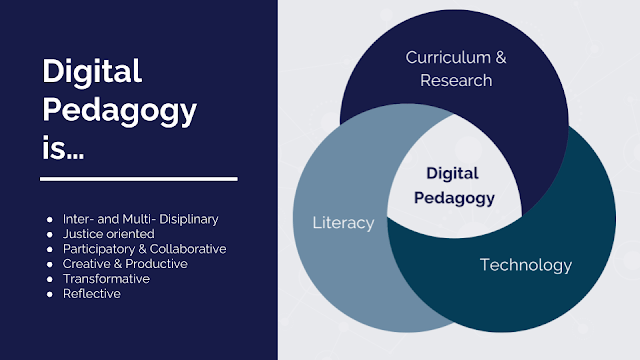
Get Grounded: Supporting Digital Pedagogy with the SAMR Framework for Technology Integration
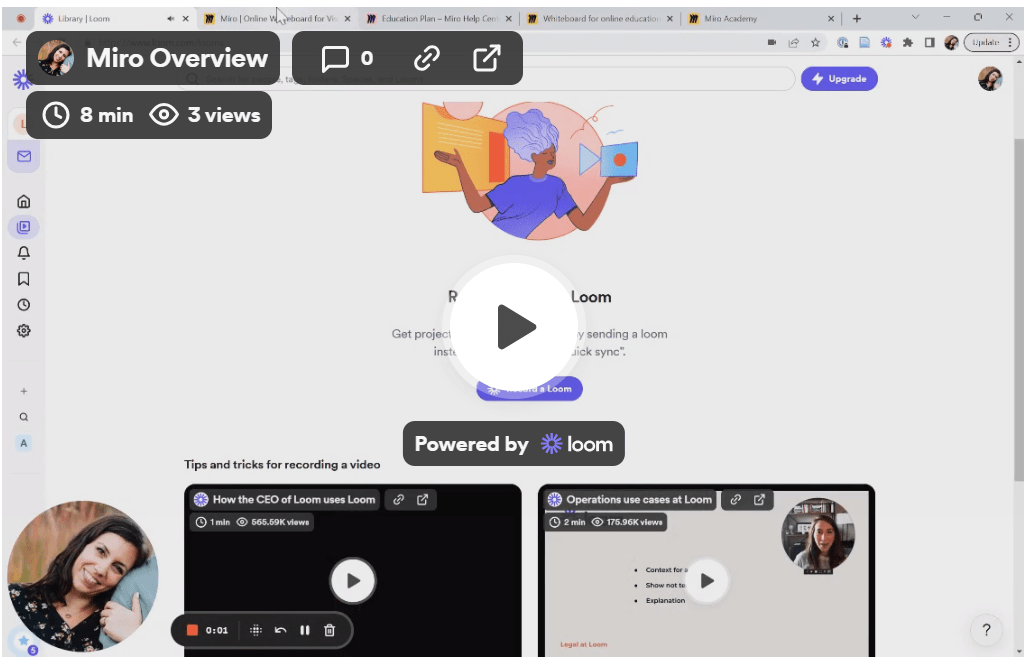
On Topic and On Trend: Digital Tools for Project-Based Learning
Outcome 4c: Demonstrate teaching and learning principles in relation to professional practice.
Professional Web Presence
Also created as part of LIS-724, this Google Site is a professional portfolio devoted to discussing teaching and learning principles and demonstrating philosophies and resources used for professional practice (Outcome 4c).
This site provides an overview of teaching and learning philosophies and contains online and print libraries of resources for professional practice as a digital pedagogy librarian (or academic librarians in similar domains), as well as curated collections of topic-specific content for information literacy, digital humanities, and fair use teaching and learning and additional artifacts such as infographics and technology review videos. It is evidence of how MLIS curriculum can be synthesized and applied in dynamic academic information environments.

 Liz Grauel e-Portfolio